The Science Behind Mold and Mildew in Lehi: Growth Patterns Explained
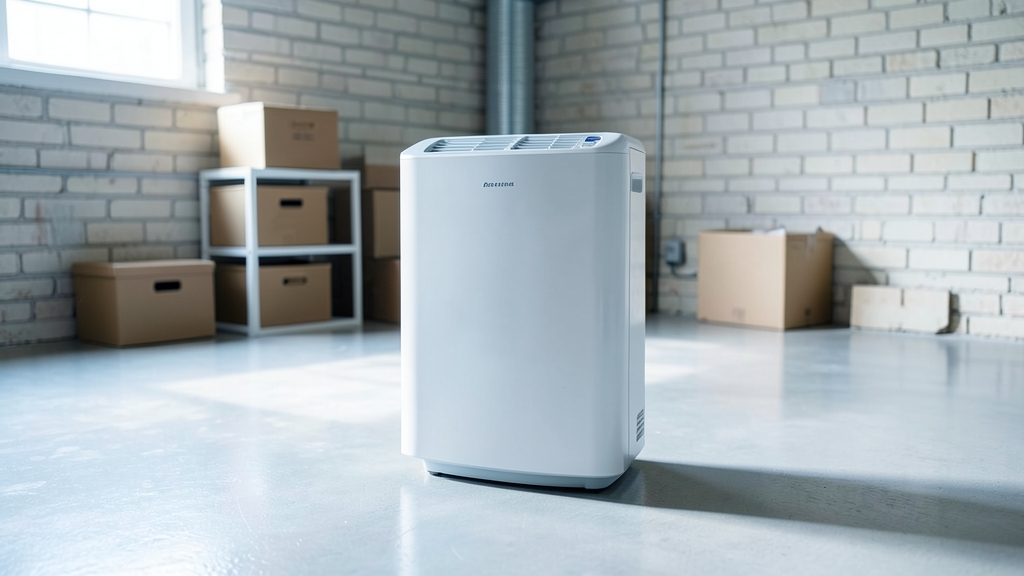
Mold and mildew thrive in Lehi’s unique climate, where dry summers and wet springs create the perfect storm for spore growth. Understanding their science helps homeowners and businesses prevent infestations before they spiral into costly remediation projects.
How Mold Spores Spread in Lehi’s Climate
Mold spores are microscopic and omnipresent, floating through the air indoors and out. In Lehi, seasonal shifts—especially spring runoff and summer humidity spikes—accelerate their settlement on damp surfaces.
Once spores land on organic materials like wood, drywall, or insulation, they germinate within 24–48 hours if moisture and warmth are present. Our team often sees this in basements after snowmelt or attics with poor ventilation.
Mold vs. Mildew: Key Differences
Mildew is a surface-level fungus, typically white or gray, that thrives on flat, moist areas like shower walls or windowsills. It’s easier to clean but signals excess humidity.
Mold penetrates deeper into porous materials, often appearing black, green, or even red. It poses greater structural and health risks, requiring professional remediation.
| Feature | Mold | Mildew |
|---|---|---|
| Appearance | Fuzzy or slimy, varied colors | Powdery or fluffy, white/gray |
| Growth Depth | Penetrates surfaces | Surface-level only |
| Health Risk | High (mycotoxins, allergens) | Low to moderate |
| Removal | Professional remediation often needed | DIY cleaning (bleach/vinegar) |
| Common Locations | Behind walls, attics, crawl spaces | Bathrooms, kitchens, windows |
Why Lehi Homes Are Vulnerable to Hidden Mold
Lehi’s clay-heavy soil retains moisture, which can seep into basements or crawl spaces, especially in older neighborhoods. Poor grading or cracked foundations exacerbate the issue.
Attics are another hotspot. Inadequate insulation or roof leaks trap heat and moisture, creating ideal conditions for attic mold. We’ve seen this in homes across American Fork and Highland too.
Musty odors, peeling paint, or warped floors often signal hidden mold. Ignoring these can lead to structural damage or health issues like respiratory problems.
The Role of Humidity and Poor Ventilation
Relative humidity above 60% fuels mold growth. In Lehi, basements and bathrooms without proper ventilation or dehumidifiers are prime targets.
HVAC systems can also spread spores if ductwork is contaminated. Regular air quality testing helps catch problems early, before they affect Saratoga Springs or Draper homes.
Materials Mold Loves to Colonize
Cellulose-rich materials—drywall, wood, cardboard, and ceiling tiles—are mold’s favorite food sources. Even dust or pet dander can sustain growth if moisture is present.
Synthetic materials like glass or metal won’t support mold, but organic debris on their surfaces will. This is why thorough cleaning is part of our remediation process.
Mold-Prone Materials in Your Home
- Drywall and plaster
- Wood framing and furniture
- Cardboard boxes (especially in storage)
- Carpet and padding
- Insulation (fiberglass or cellulose)
- Fabric (curtains, upholstery)
Health Risks of Prolonged Mold Exposure
Mold releases mycotoxins and volatile organic compounds (VOCs) that can trigger allergies, asthma, or chronic sinusitis. Black mold (Stachybotrys) is particularly notorious for severe reactions.
Children, the elderly, and immunocompromised individuals are most vulnerable. That’s why we prioritize safe, contained removal during commercial mold remediation in schools or offices.
If you experience persistent coughing, skin irritation, or headaches indoors, consult a doctor. These symptoms often worsen with prolonged exposure.
Preventing Mold Before It Starts
Moisture control is the cornerstone of prevention. Fix leaks promptly, use exhaust fans in bathrooms and kitchens, and maintain HVAC systems to reduce humidity.
In crawl spaces or basements, vapor barriers and dehumidifiers are game-changers. We also recommend annual mold inspections, especially after water damage in areas like Draper or Highland.
When to Call a Professional for Mold Remediation
DIY solutions work for small, surface-level mildew. But if mold covers more than 10 square feet, is hidden, or returns after cleaning, it’s time for professional remediation.
Our team uses HEPA filtration, containment barriers, and EPA-approved antimicrobials to ensure spores don’t spread during removal. This is critical for large-scale or commercial projects.
How to Inspect for Hidden Mold in Your Lehi Home
Follow these steps to identify potential mold issues before they escalate.
- 1Check for Moisture
Use a moisture meter to test walls, floors, and ceilings, especially near pipes, windows, or past water damage. Readings above 15% indicate a problem.
- 2Look for Visual Signs
Inspect dark corners, behind furniture, and under sinks for discoloration, staining, or fuzzy growth. Pay extra attention to basements and attics.
- 3Sniff Test
Musty odors are a telltale sign of hidden mold. If the smell persists after cleaning, mold may be lurking in HVAC ducts or behind drywall.
- 4Review Past Water Damage
Revisit areas with previous leaks or flooding. Mold can lie dormant for years, reactivating when moisture returns.
- 5Use a Flashlight
Shine a light at low angles to spot irregularities on surfaces. Mold often appears as dark spots or streaks on materials like wood or drywall.
- 6Consider Professional Testing
If you’re unsure, air quality testing or surface sampling can confirm mold presence and identify the species. This is especially useful for commercial properties.
Frequently Asked Questions
Can mold grow in dry climates like Lehi’s?
Yes. While Lehi is arid, indoor moisture from leaks, condensation, or poor ventilation can create microclimates perfect for mold. Even desert homes need moisture control.
How do I know if my Lehi home has toxic black mold?
Black mold (Stachybotrys) is dark green or black and often slimy. However, only professional mold testing can confirm its presence and toxicity. Never handle it without protection.
Is mold in my crawl space a big deal?
Absolutely. Crawl space mold can spread to living areas via air currents and compromise structural integrity. It’s a common issue in Lehi, American Fork, and Highland due to soil moisture.
Can I paint over mold to fix the problem?
No. Painting over mold traps spores beneath the surface, allowing growth to continue. Always remediate the mold first, then repaint with mold-resistant products.
How long does professional mold remediation take?
Timelines vary based on the infestation’s size and location. Small jobs may take a day, while large or hidden mold (e.g., in attics or ductwork) can require several days of containment and treatment.
Does homeowners insurance cover mold remediation in Utah?
Coverage depends on the cause. Most policies cover mold from sudden water damage (e.g., burst pipes) but exclude gradual issues like humidity or neglect. Check your policy and request a quote for remediation costs.